
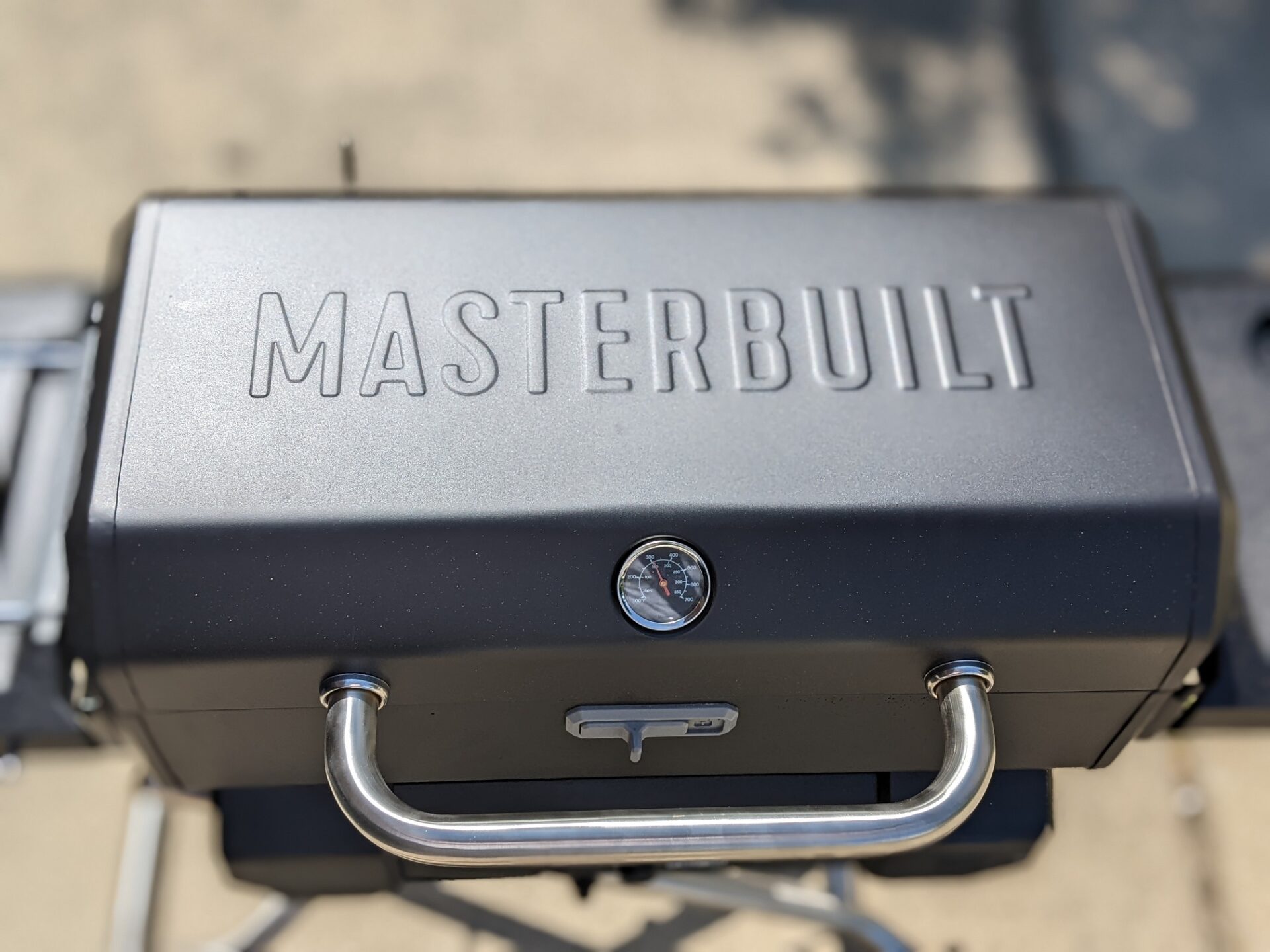

Middleby’s grill brands have been through quite a bit over the past five years. Middleby purchased Kamado Joe, Masterbuilt and Char-Griller at the absolute peak at the end of 2021.
Since then, it’s been nothing but bad news after the Pandemic with lower sales and retail destocking. It appeared that this could be the year they started to make gains. They noted early positive signs even in previous quarters.
That optimism has come crashing down with the tariffs being rolled out. Middleby reported their Q2 earnings, and it was clear that their grill brands are being impacted.
Regarding tariffs, which, by the way, are the driver of our year-over-year decrease in EBITDA, the situation remains fluid. We currently estimate that the incremental cost impact will be approximately $150 million on an annualized basis. This does not include adverse impacts to sales, which we saw in the first half across all three segments, with the biggest hit to the residential outdoor business.
Bryan Mittelman, CFO of Middleby
Much like after the Pandemic, Middleby saw retailers destocking inventory again as a result of the tariffs. They even mentioned that there could be out of stock conditions later this year.
So I mean, as Bryan [Mittelman] said, we actually were seeing real growth kind of coming into the year with the tariffs that came to pretty much a screeching halt and then actually reversed the other way as our channel partners are taking inventory levels down to extremely low levels, we think — even potentially being out of stock later this year. So that’s obviously challenging, and I think that’s where the top line is putting pressure on the bottom line. I think as we play it out over a longer period of time, at some point, that is going to turn.
Tim FitzGerald, CEO of Middleby
Middleby has been looking for a bottom in their Residential business for some time now. They’ve been thinking we were in it based on housing data. Obviously, they couldn’t have predicted the tariffs, but again, they feel that we may be at a bottom in grills.
Finally, within Residential, the Outdoor segment is faced with significant challenges from tariff-related pressures, causing our channel partners to reduce inventories. That said, we do believe this segment is at the bottom of a challenging cycle and Middleby is well positioned to benefit once the market returns. As innovation becomes a greater demand to the outdoor space, we have already invested.
Tim FitzGerald, CEO of Middleby
A return to growth is important for them because it’s the key to unlocking the margin levels they believe they can operate at. Volume is a big driver, and they can’t get there without it.
We did — there was a fair bit of investment and integration over the last couple of years of consolidating our outdoor grill platform. So when you actually look at the platform where they’re operating as one team, consolidated customer service, distribution, et cetera. We have better leverage in that model when volumes return, and that was part of our plan to expand the margins up to kind of double digit. So we’re obviously far below that now, but we’re positioned to benefit as the market comes back to, I’ll say, some level of reasonableness.
Tim FitzGerald, CEO of Middleby
Share Buybacks
Tim FitzGerald started off the Q2 2025 earnings call noting how their share price doesn’t reflect the fundamentals of their business. That’s a dynamic that I believe is playing out across the live fire industry, as I noted from Traeger’s earnings.
Well, this quarter’s results reflect the economic challenges our customers are navigating in key end markets. They don’t appropriately capture the fundamental transformation we’ve achieved across our business to drive long-term growth. The strategic investments we’ve made over the past 3 years across innovation, go-to-market capabilities and operational excellence have created an unmatched platform that is poised for growth as market conditions normalize.
Given our confidence in Middleby’s trajectory earlier this year, we chose to allocate the vast majority of our free cash flow towards share repurchases as we do not believe our current market valuation reflects the opportunities ahead of us. This isn’t just optimism. This is conviction rooted in measurable progress and wins we are experiencing across our business. That is an overarching thought.
Tim FitzGerald, CEO of Middleby
For companies that have cheap debt and are cash flowing, it would be hard to pass up buying shares or even going private. With share prices severely depressed, the ROI will often be much better than doing M&A, investing in CapEx, or R&D.