

From supply chain changes to price increases, we’ve covered the impacts of tariffs on the grill industry quite extensively. The focus though has been on how grill brands with an international supply chain are adapting to the changes. The theory behind the tariffs is to promote manufacturing in the US.
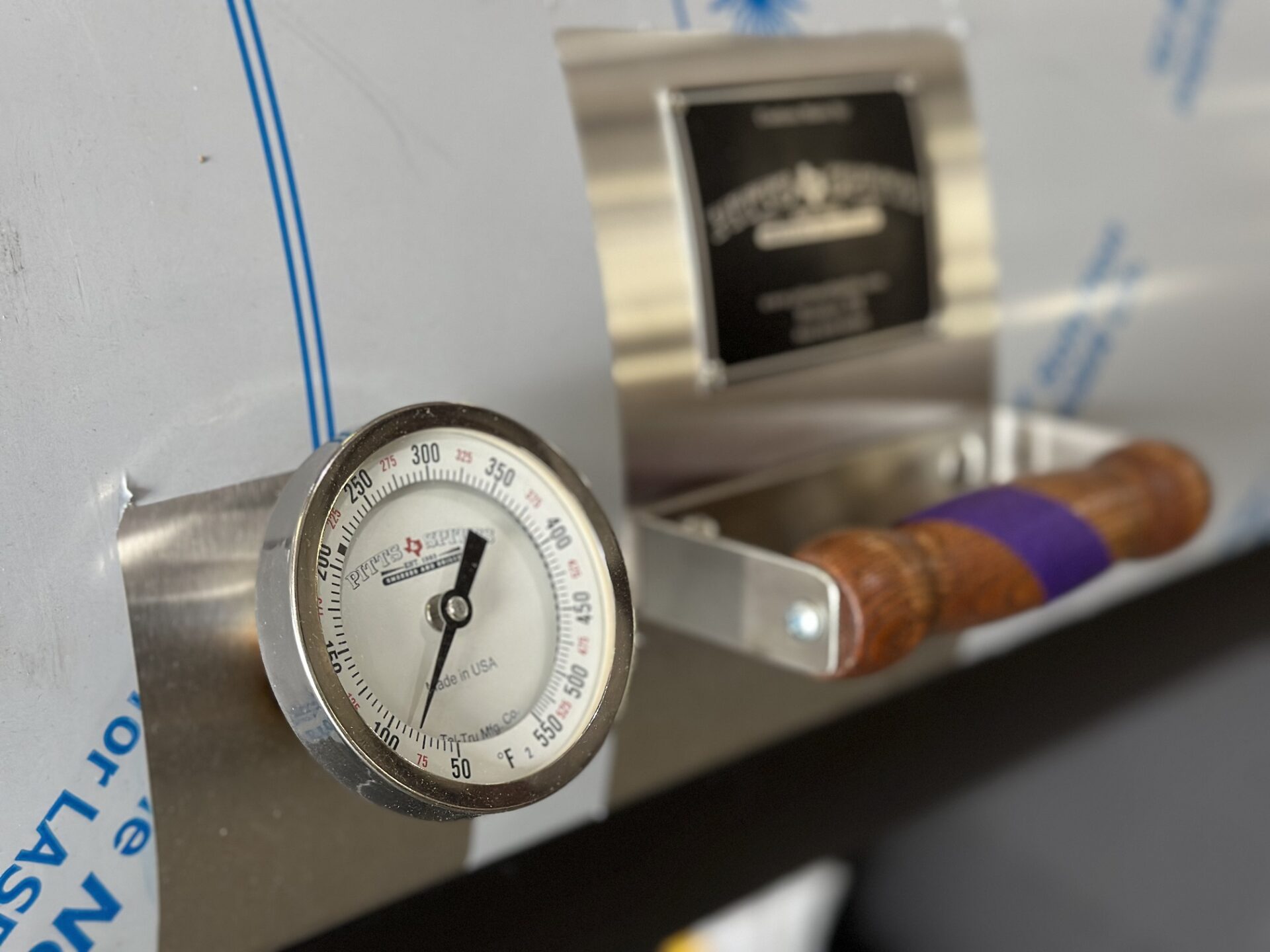
It only makes sense to also check-in with a grill company that manufactures in the US to see how tariffs have impacted their business. I caught up with Ryan Zboril, owner of Pitts & Spitts, a grill company based in Houston, Texas. I’ve toured their facility before and watched how they turn raw sheets of US steel into finished grills.

Pitts & Spitts grills are known for quality and for turning out some great barbecue. They primarily sell through local, independent dealers, but they also sell some of their models at larger stores like Academy Sports.
The tariff environment is extremely fluid, with changes seemingly hour to hour. The IEEPA tariffs (also known as the retaliatory tariffs) are being challenged in court, but even without those, there’s a hefty tariff on imported steel.
Not only is it a fluid environment, but the tariff changes were also recent, so the full effects aren’t being realized. On top of that, there’s still a challenging macroeconomic environment, so Pitts & Spitts hasn’t noticed any change in their sales.
I think we’re still working through a tough economy on the wholesale side of the business but feedback from dealers has been positive. This is really bringing to light just how much of the grilling industry depends on cheap imports and most BBQ specialty stores are tired of being tied to those brands.
Ryan Zboril, owner of Pitts & Spitts
One possible dynamic that could materialize from an increase in the cost of imported goods is a subsequent increase in cost on domestic components and steel. That could happen naturally from an increase in demand, or from domestic suppliers seeing the opportunity to raise prices. Pitts & Spitts hasn’t run into any major sourcing issues though.
It has not been an issue for us. The supply chain issues of 2020 and 2021 were very tough, but it seems like the domestic steel markets are in good shape right now. We are seeing some secondary effects of price increases on smaller components that are being passed on. But we’re prepared to hold our pricing as long as we can because we believe that’s the entire point of this tariff plan. It’s an opportunity for us to gain market share – not be greedy and jack up our prices.
Ryan Zboril, owner of Pitts & Spitts
Without the threat of increasing supply costs, and because they are insulated from the continued tariff uncertainty, it’s allowed them to focus on their brand differentiators. It offers a more level playing field for their brand.
If anything, we’re leaning more into our high-end American made approach to our products. We think that increasing prices of imported products – whether through “temporary” surcharges or more definite price increases – what used to be a more “expensive” American made product is now more in reach for the American consumers. Once price points start to consolidate, quality and feel will become more important and more noticeable to prospective customers. It’s really giving us a chance to be in conversation when it comes to price – and in some cases, we’re actually the more affordable option.
Ryan Zboril, owner of Pitts & Spitts
Given their domestic production and higher quality, Pitts & Spitts’ grills have carried a more premium price tag. With price increases on imported grills, that price differential is shrinking.
We think we’re in a great spot. Whereas the price gap used to be maybe $1,000, that has dwindled to a few hundred dollars over the past couple of years. And now with the price increases we’ve seen across the industry, imported brands that we compete with on sizes and features are now at our price point – and in many cases, actually noticeably higher.
Ryan Zboril, owner of Pitts & Spitts