
 . That agreement was replaced by the U.S.-Mexico-Canada Agreement (USMCA) in 2020.)
Nearshoring manufacturing to Mexico to lower manufacturing costs and reduce lengthy freight times was common under the North American Free Trade Agreement (NAFTA) . That agreement was replaced by the U.S.-Mexico-Canada Agreement (USMCA) in 2020.
The math on it is a little different now though in 2025 with the current tariff environment. USMCA overrides the International Emergency Economic Powers Act (IEEPA) tariffs, or reciprocal tariffs, but there are still hefty tariffs on imported steel.
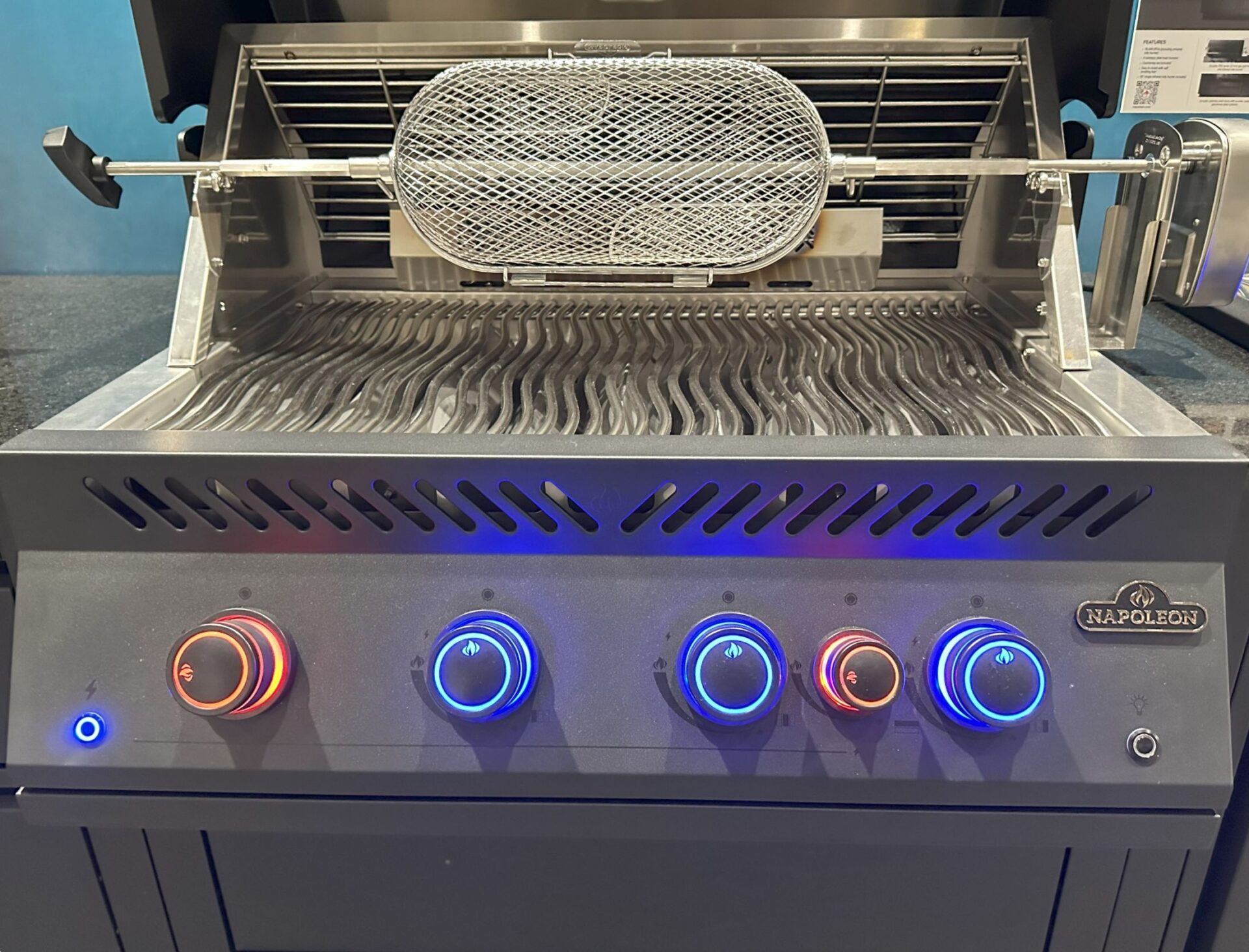
Napoleon, based in Barrie, Ontario, is very familiar with USMCA given that they’re a Canadian company with about 30% of their sales coming from the US. To support growth in their grill segment they began building a manufacturing facility in northern Mexico last year.
It was meant to move some grills and sub-assembled to reduce manufacturing in China. According to a quote from Napoleon’s President in an article in Bradford Today, there wouldn’t be an impact on their current operations in Barrie.
We are very aware of the history of companies moving manufacturing from Barrie to foreign operations. It is important for our associates and the community to know that we remain steadfast in our commitment to our Napoleon associates and our facilities in Barrie.
This addition strengthens our company by rapidly adding capacity to meet our growth needs.
Mike Tzimas, President of Napoleon
It’s a year later and according to posts from employees on social media, construction has been completed. I’m sure when the facility was being planned, the change in tariffs wasn’t anticipated.
While they will still be hit with the Section 232 tariffs on imported steel and aluminum, there is a financial benefit from nearshoring. Ignoring any logistics benefits, they should be able to avoid IEEPA tariffs that stack with the Section 232 tariffs under USMCA.
That benefit is significantly less than under the previous tariff environment. They must view enough of a benefit though, or are planning long-term, because they didn’t abandon opening the facility.