

Disclosure: This article may contain affiliate links. If you buy a product through an affiliate link, we may receive a commission at no cost to you.
People may not be aware of this but metro Detroit is ground zero for commercial pizza companies. Little Caesars, Domino’s, Hungry Howie’s, and Jet’s all are companies from here.
Growing up in the suburbs in the 80’s, that style of pizza is all that I knew. There was no internet, and I didn’t travel much, so I wasn’t exposed to styles like Neapolitan or New York style. The only other style I had tried was Chicago Deep Dish, given the city’s proximity.
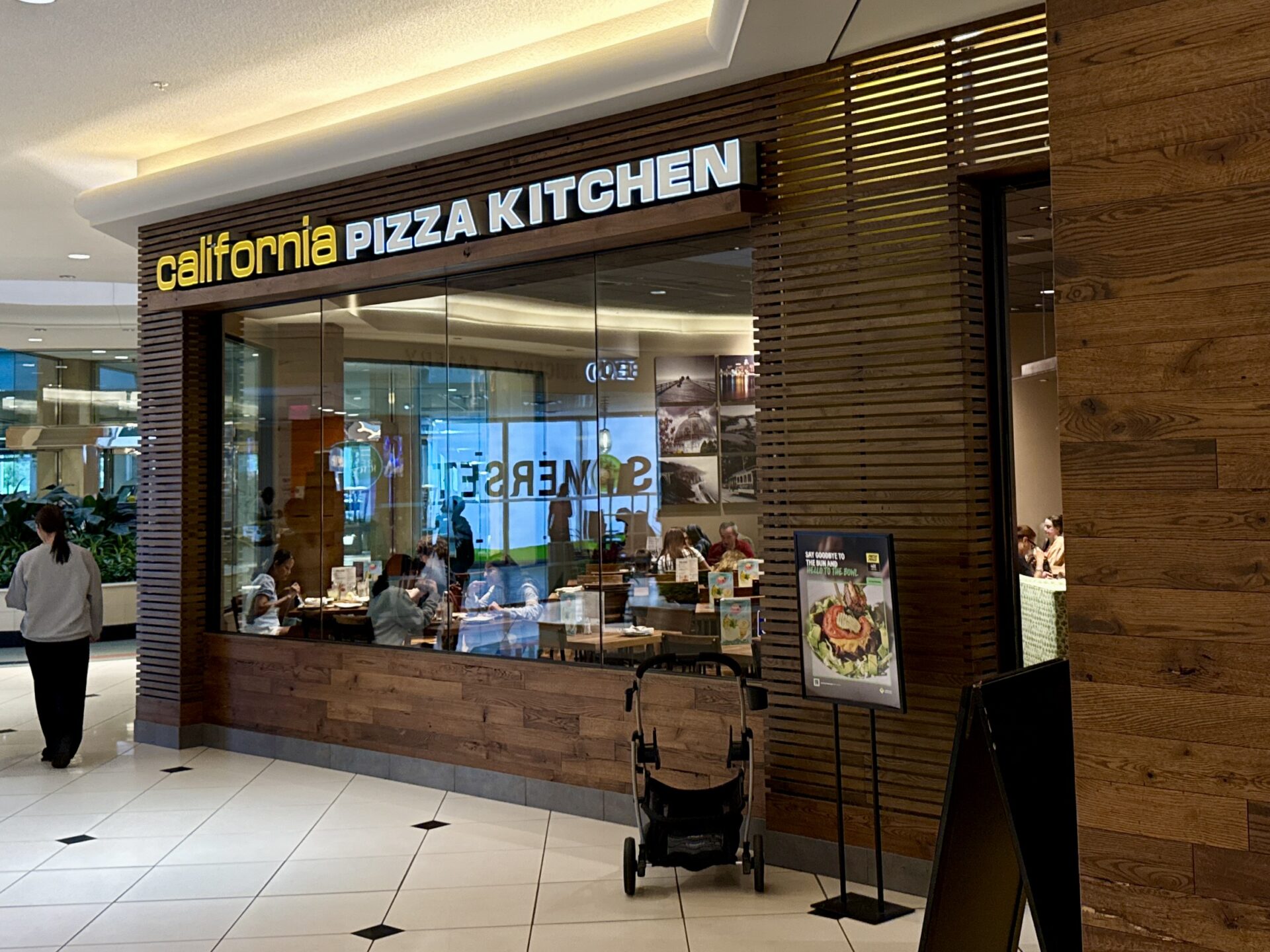
That all changed in 1996 when a new restaurant chain called California Pizza Kitchen (CPK for short) opened up at The Somerset Collection, a local upscale mall. I was in my teens at that point and anything branded as being from California was exotic and cool, and their pizza was unlike anything I’d ever seen.
They had a thinner crust and the ingredients were innovative. Their now legendary BBQ Chicken pizza had BBQ sauce, grilled chicken, smoked Gouda, and red onions. Who had ever heard of chicken and BBQ sauce on pizza?

It completely changed what pizza was for me, and I believe that it evolved how people viewed pizza across the country. I even think some amount of success of home pizza ovens is owed to the evangelizing that CPK did.
While I was exposed to them in 1996, they started in California in 1985 from two founders, Rick Rosenfield and Larry Flax. Rick just released a book about the journey titled The California Pizza Kitchen Story: How Two Federal Prosecutors Changed the Way America Eats Pizza, where it turns out that my experience with the restaurant was exactly their go-to-market strategy working.
I loved the book, it was great combination of a founders’ story, a business book, and a food book all wrapped together. For anyone else that reads lots of business texts like I do, the chapters were really digestible like Ben Horowitz’s book The Hard Thing About Hard Things.
When people think of founders, they think of Silicon Valley tech companies, but CPK started and scaled even before that. Learning about what led people to start businesses and how they scaled them is fascinating to me. If you like that too, you’ll also love this book.
I had to opportunity to interview Rick about his book, and he embodied the culture that him and his co-founder built at CPK. He was a super guy, personable, and still passionate about CPK to this day. We covered some of the stories that were in the book, but I’ll do my best not to spoil too much of it.
Career Switch and Bootstrapping
Rick Rosenfield was already a successful attorney when he decided to completely switch course and start a pizza restaurant in Beverly Hills, California. He attempted to do both things at the start, but his passion for CPK quickly pulled him out of his legal practice.
Step one is, we’re going to do this ourselves. We’re not going to need investments. How much is this going to cost? We bring the car, we’ve got somebody who refers a contractor who’s built a bunch of restaurants, successful ones around LA. We bring him in. We said, “How much is this going to cost?” And he says, “Probably about $250,000.”So we go, now we’re on the hook. We realize you’re still practicing law, right? And the first big step is, we sign the lease with personal guarantees. So that was the biggest step of all.
the banker was mortified. “Oh my God, you guys are successful lawyers. You know, but if you’re going into the restaurant business, you’re out of your mind.” Okay, but we had a good income and good practice, and we justified the loan for a quarter of a million dollars. Except, of course, We collateralized the loan with our homes.
Rick Rosenfield, co-founder of CPK
Rick quickly learned what many founders realize. Starting a business can get much more expensive than planned, and once you’re in it, you have to keep going.
Well, we learned pretty soon, as we’re spending money hand over fist, that he didn’t include kitchen equipment when he came up with the budget, because he’s a contractor. Their bid doesn’t include kitchen equipment. That’s always outside of the contract.
So, oh, we’ve got to buy kitchen equipment. Then, of course, the computer systems or training or inventory or all the other soft costs and hard costs. So, now we see it’s a half a million dollars. Uh-oh.
So, this was critical. Now we’re panicked. We are panicked. And we go to our lawyer, Bob Kahan, a friend who used to share offices with us. And he was our business lawyer. And we explained the problem. We needed to raise money. And then our biggest concern was, okay, what we don’t want to do is give away all of our equity for this one restaurant.
And at that time for us, which was very fortunate, Hard Rock Cafe was on a roll. And they were financing it by doing these limited partnerships. And investors were getting really rapid returns on Hard Rock. And that was sort of well-known around the city. And so Bob said, “Well, why don’t we structure it that you guys keep all of the equity, basically. You own the brand, you own the IP. We’ll raise money from investors, but they’ll only own the cash flow from this one restaurant.” And so that’s great. Is anybody going to invest in us, right? And Bob says, “I will.”
Rick Rosenfield, co-founder of CPK
That theme of needing money to scale continued throughout CPK’s journey. Rick was the exact kind of founder you want to invest in though. The idea was a good one and it gave huge returns to all its early investors, but more importantly, Rick felt personally responsible for the investments. CPK’s first turn from founder ownership was with PepsiCo, and it was a big moment.
The Pepsi deal meant as much for me to get that off my back, so to speak, to be able to say to our investors, the original ones, you made 22 times your money. If you put $20,000, like the first guy and my friend, Dr. Phil Yalowitz, he wanted to write the first check for $20,000. He got $424,000 back. So, emotionally, that was—and Larry too, I don’t mean it was just me. Larry felt it too. It’s such a relief to fulfil your promises to your investors. That was absolutely as equally important to me as taking money off the table myself.
Rick Rosenfield, co-founder of CPK
Jump Into Frozen Pizzas
One move that CPK made that was transformative to the company was they began selling their pizza in the frozen food aisle. That broadened its market, exposed more people to their style of pizza, and added tons of exposure for the brand. A big reason that it was successful is they made sure the quality of frozen pizza properly represented what they’d built.
It stemmed from Nation’s Restaurant News doing an interview with us and asking us, you know, are we going into frozen pizza. And at that time Puck [Wolfgang Puck] was doing his pizzas and frankly, I didn’t think much of the quality of it. I felt that the reason was that he had put his name on it, but he allowed other people to do that, and obviously didn’t really have control over the quality. I just thought it was a mistake for his brand. But I said to Nation’s Restaurant News, “Yeah, we’re looking into it.”
And then it brought a letter in those days—print emails—a letter from the president of Kraft Frozen that said, “Why would you even think of doing it without us? We’d love to do it with you.”
So it took two years, I think, for us working with Kraft, Larry and I, and at that time it would have been Brian Sullivan in the food, going back and forth to Kraft. They would send people to CPK test kitchen and Larry and I would go back to their test sessions. And we didn’t even negotiate a deal until we were satisfied that they had a product that we were proud of. So we were intimately involved in that.
And then over the years, all the years that we were there with them, that same process would continue. Larry and I would meet with them in Chicago, or they’d come out with us several times a year, and we’d work on new menu items.
In fact, the guy who’s been running CPK food, Paul Pszybylski, who’s been with CPK for 20 years, came. He was a part of the original Kraft team. And then we learned him over to CPK.
Rick Rosenfield, co-founder of CPK
Struggles and PE Ownership
With growth often comes changes in ownership, and that means different types of owners. CPK has certainly had that through their journey. They were bought by PepsiCo, owned by multiple PE firms, and went public where Rick and Larry jumped back in to right the ship.
Changes in ownership brings in people that don’t take the company as personally and have differing views on success. It can lead to scaling too fast, downsizing, and even leaving the founders out of important decisions entirely.
Anybody who has been in business can relate to Rick’s stories, both founders and non-founders. His passion for the brand and his partnership with his co-founder kept him going through all the good times and tough ones.
In the PepsiCo period that I described, when we sipped the Kool-Aid, we over expanded and they pulled the plug. They didn’t really have a right to put anybody in to run the company. We left that. We were feeling pretty low about ourselves. So we recognised that. So we let them take a shot at running it. We got a new breath when Pepsi sold us to the private equity guys. And then we had a contract.
Basically, we were still chairman and we agreed as part of the deal, they’d put in a CEO. So we were good boys, so to speak. We followed the rules. So we played by the rules. They had a right to put in a CEO. We often disagreed with them, but we kept our hand in the game.
He did drive us out of the business after it went public. And he tried to take more and more control. And then when he shifted up, we were a public company with a public board and they turned to us.
And then I think in some ways that became, I don’t know if it was the highlight of our career, but it was the redemption of our career. Like I said, I think you touched about how did we—here we were, we were two lawyers. We had built this company. We had been sort of cast aside.
Well, you’re still in it. But I said, very importantly, we played by the rules. We let the guys run. We didn’t have a legal right to control it. We would disagree. We didn’t fight. We didn’t create any board fights, no proxy fights. None of that. We were honest guys, right? But then when we were given a chance by the board to run the public company, we rose to the occasion. It took a little while, as I explained in the book, because we were feeling down about ourselves and our senior team had been reporting to other people. I don’t know, they weren’t quite ready to report to us again. But we built it because we were trustworthy.
Rick Rosenfield, co-founder of CPK
Rick and CPK Today
CPK was acquired again in December, 2025 by Consortium Brand Partners, but this ownership cycle feels different. While not directly involved with the company anymore, Rick likes where the brand is headed.
I think they’re smart guys, from talking to them. I think they truly are committed. I think they bought it for all the right reasons, and believe in the brand, believe it’s an iconic brand. So it’s the first time I’ve been enthusiastic in 15 years.
Rick Rosenfield, co-founder of CPK
I recently made a trip to the same CPK I’ve been going to for decades now, and I’d have to agree with Rick. The quality of the food is still there, and I like some of the newer menu options that they’ve mixed in with the classics.
It’s also remained a special restaurant for me too because, 30 years later from my first trip, I get to share the experience with my kids. Just like for me, it feels fancy and different to them. I recently introduced my daughter to The BBQ Chicken pizza and it was a hit.